
The Case for the Fisherman Sandal


Fisherman sandals are everywhere this season. We've been thinking about the shape for a long time, contemplating a way to offer a category contender with the unique design perspective expected from Coclico. Here's what we love about the classic silhouette.
A history of the fisherman sandal
The shape is older than the name. Strapped, semi-enclosed leather sandals appear in classical Greek footwear, where krepides and trochades already solved the problem of combining airflow, retention, and protection. Roman lattice and strapped military forms continued the logic. The family it comes from is old: footwear that protects without enclosing.
The modern silhouette took industrial form in the early twentieth century. American patents from 1929 and 1940 describe interwoven vamp construction that maps directly onto what we now call a fisherman sandal. In 1946, the French house Méduse translated the same caged logic into molded plastic, born of postwar leather scarcity, giving the style its first mass-market life.
The name itself is late. The phrase fisherman sandal enters English fashion press in the late 1970s, decades after the shape was established. The connection to actual fishermen is mostly folklore. What's documented is that the silhouette works, which is why versions of it keep returning.

Meet Roxy
Our take. Cut from smooth Spanish vachetta, the kind that arrives a soft natural blush and deepens into something entirely your own over a summer of wear. Contrast hand-whipstitching across the front band. Underfoot, a full-foam insole made from recycled materials, wrapped in leather, set on a flexible leather sole. 10mm flat-feel.

How to style the fisherman sandal
The fisherman is one of the few summer sandals that doesn't ask you to choose between looking polished and walking far. That makes it work in places open sandals don't, and with more pieces than you'd think.
With a long dress. A black slip, a linen midi, anything that ends mid-calf or lower. The closed front grounds a fluid silhouette and keeps the look from drifting too soft.
With tailored trousers or shorts. Wide-leg linen, cropped wool, longer-line shorts, all benefit from a sandal with visual weight at the foot. Loafers are the alternative, but they read warmer than a fisherman in July.
With jeans. Straight-leg, wide-leg, anything that breaks at the ankle. The closed toe makes the pairing feel intentional rather than thrown together.
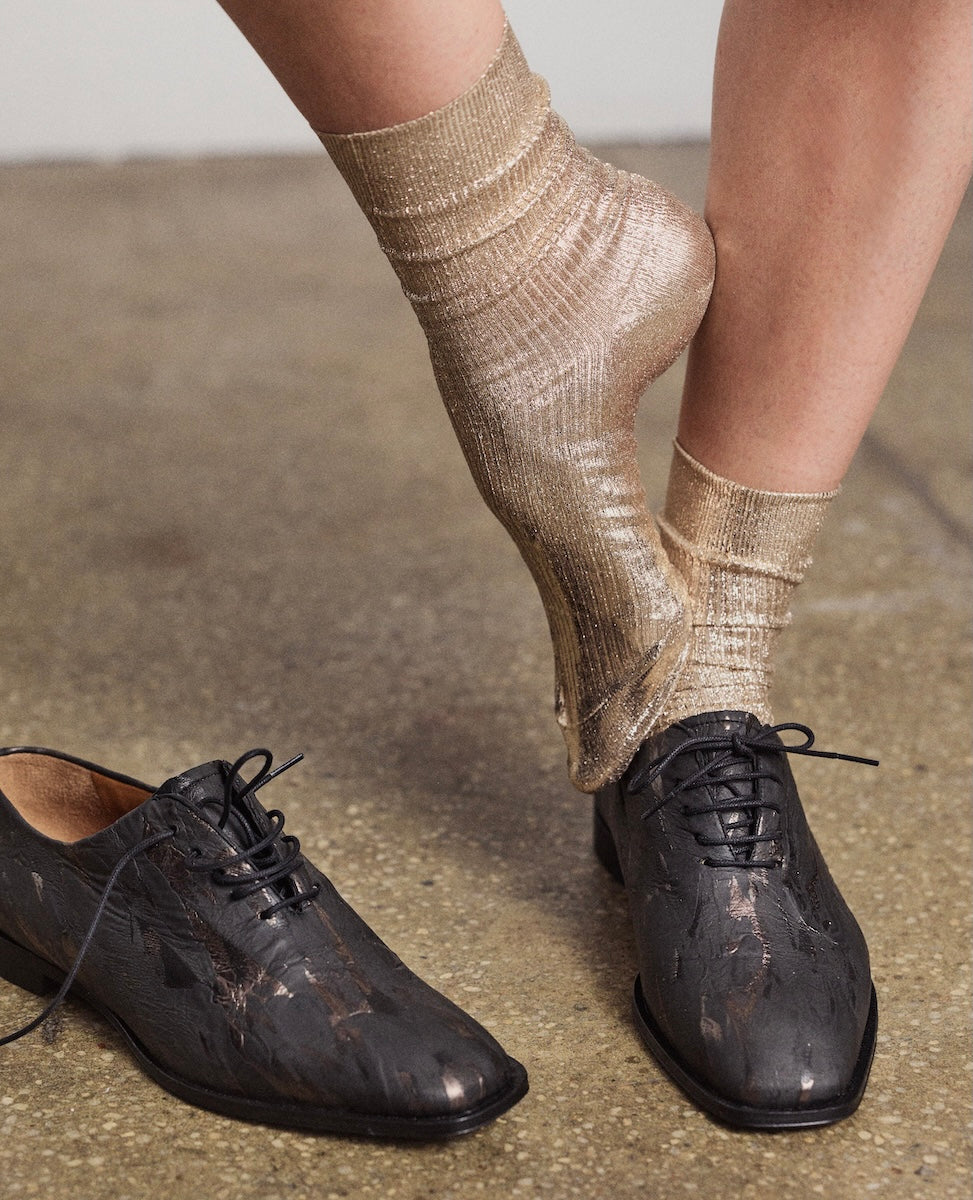
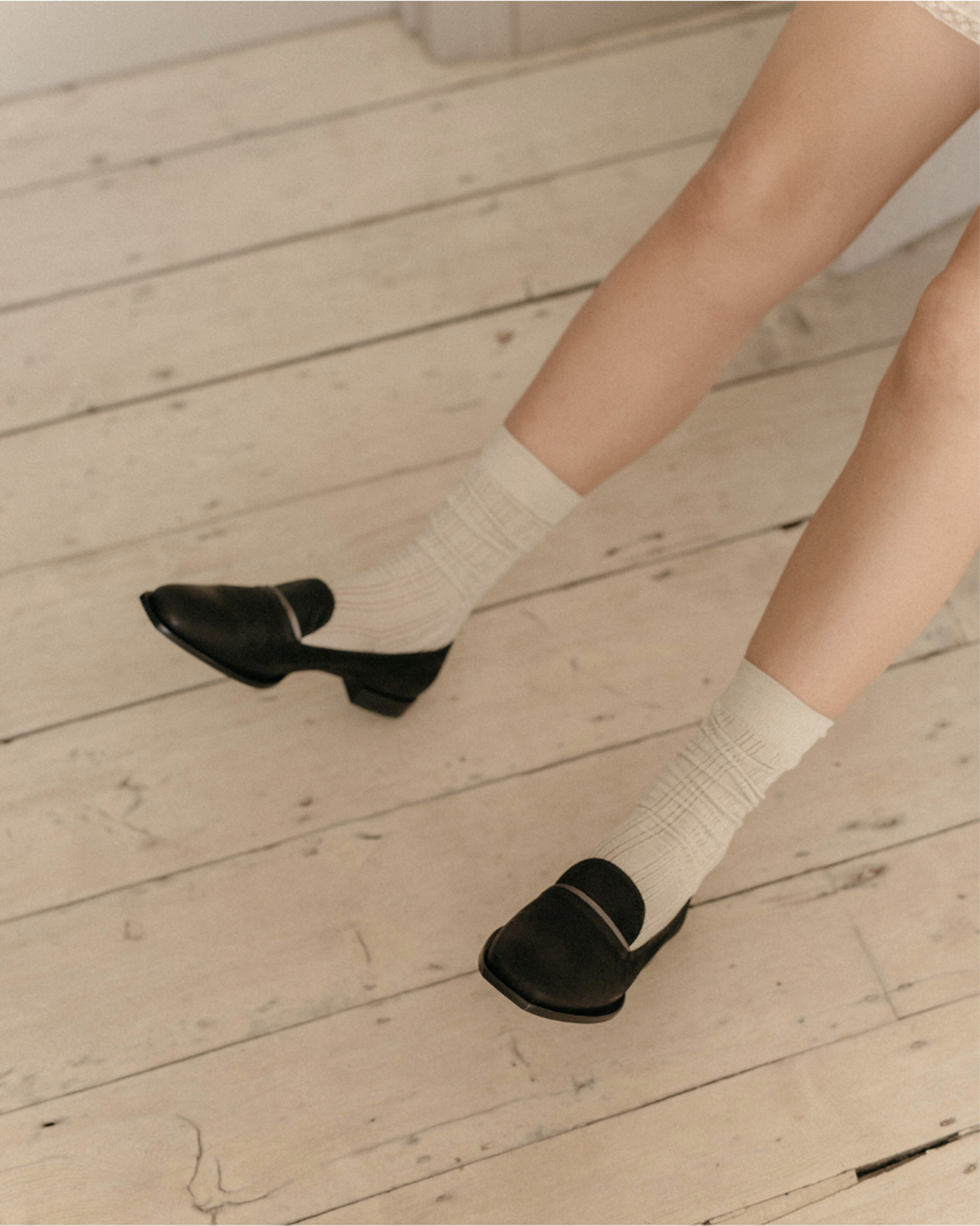
With socks. A thin sock under a sandal is one of the most polarizing fisherman sandal pairings, but we're all in. It extends the shoe into colder weather and adds a graphic line at the ankle. Stick to a fine rib in a tone that contrasts the leather.
With a suit. Counter-intuitive, which is the point. A relaxed summer suit in linen or cotton with a fisherman sandal lands in the same territory as suits with sneakers, dressed down deliberately, less corporate, more considered.
The constant is the closed front. It's what lets the sandal pass in restaurants with a code, offices on warm days, and dinners that started as walks.