Between Memory and Present — São Paulo

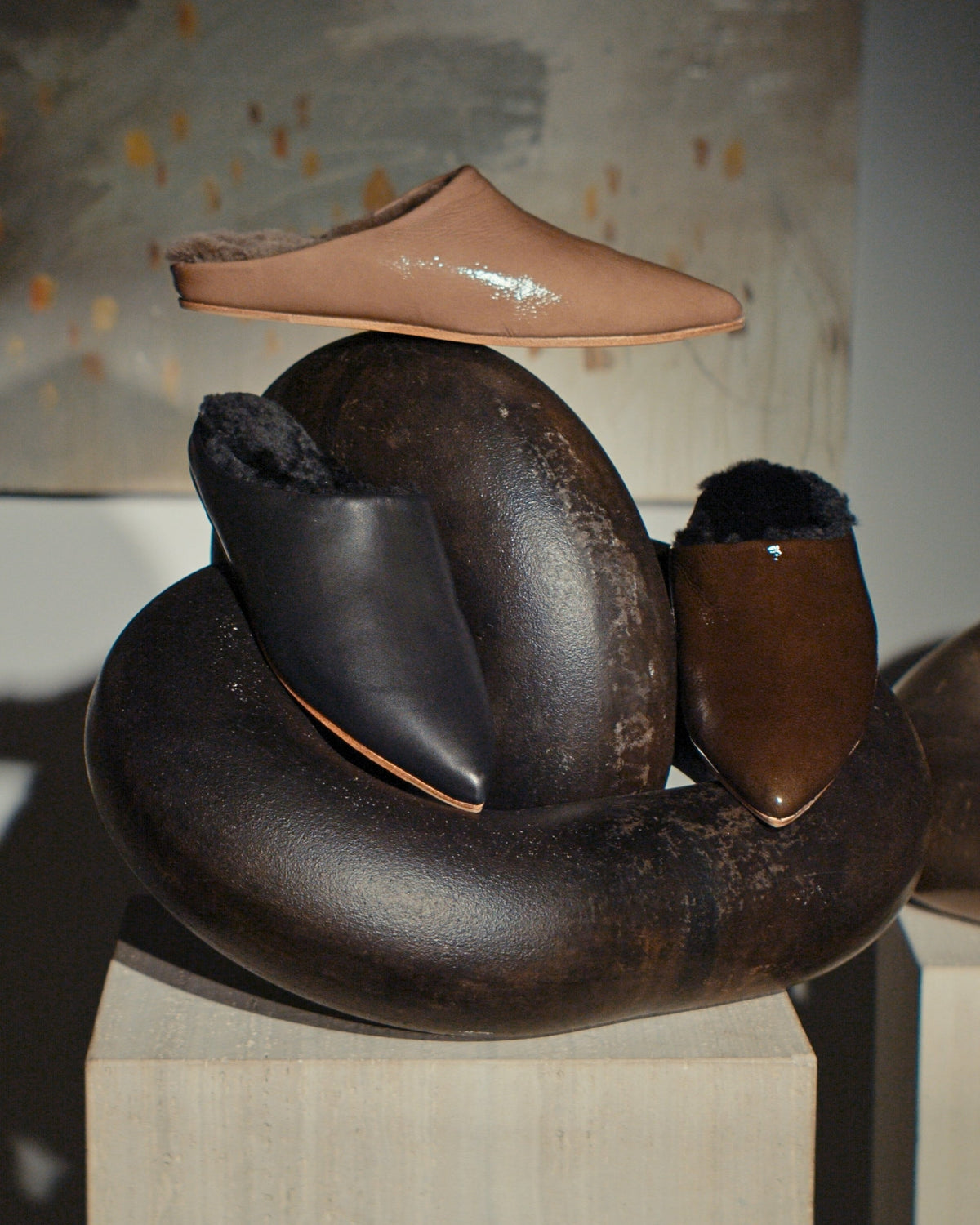
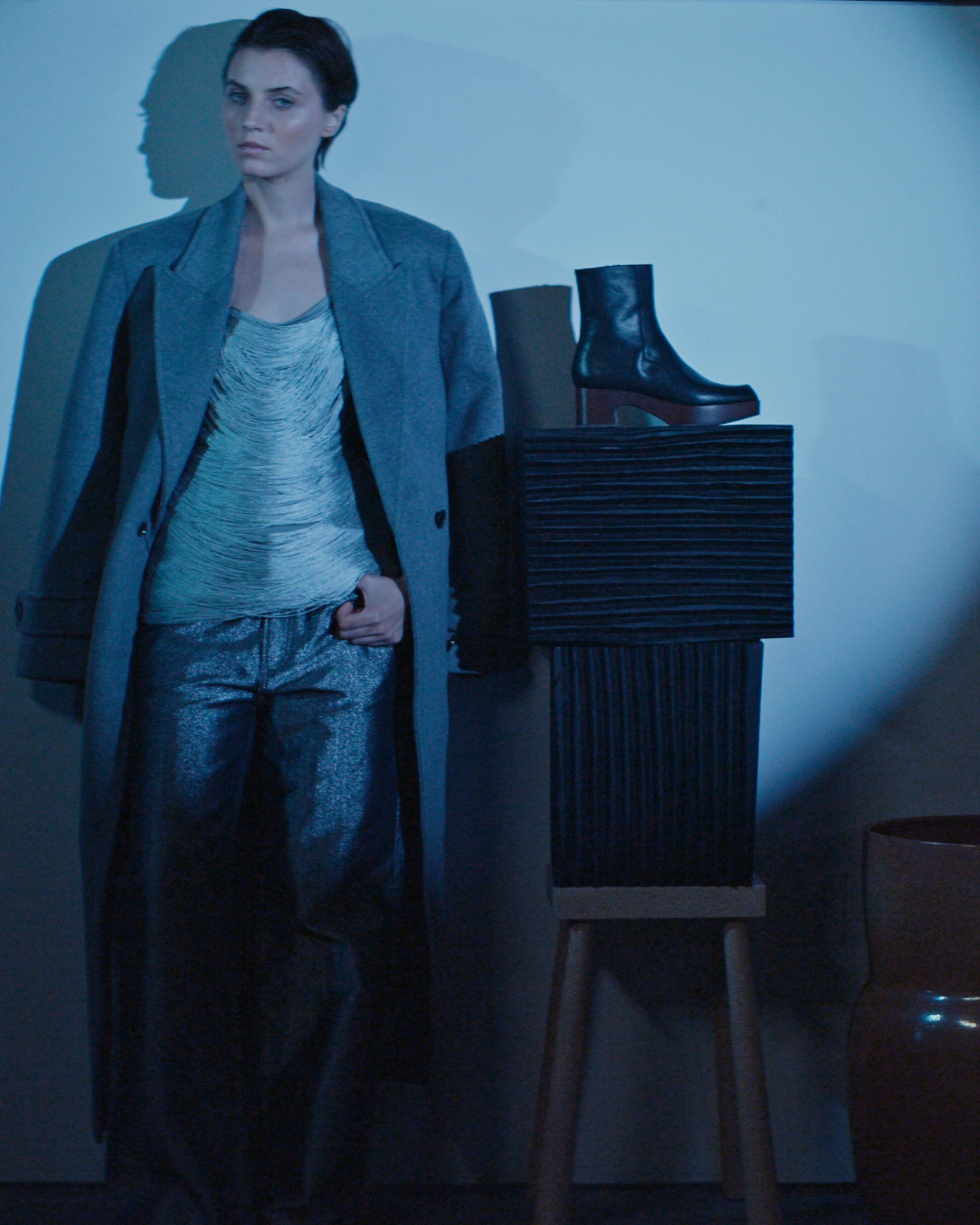
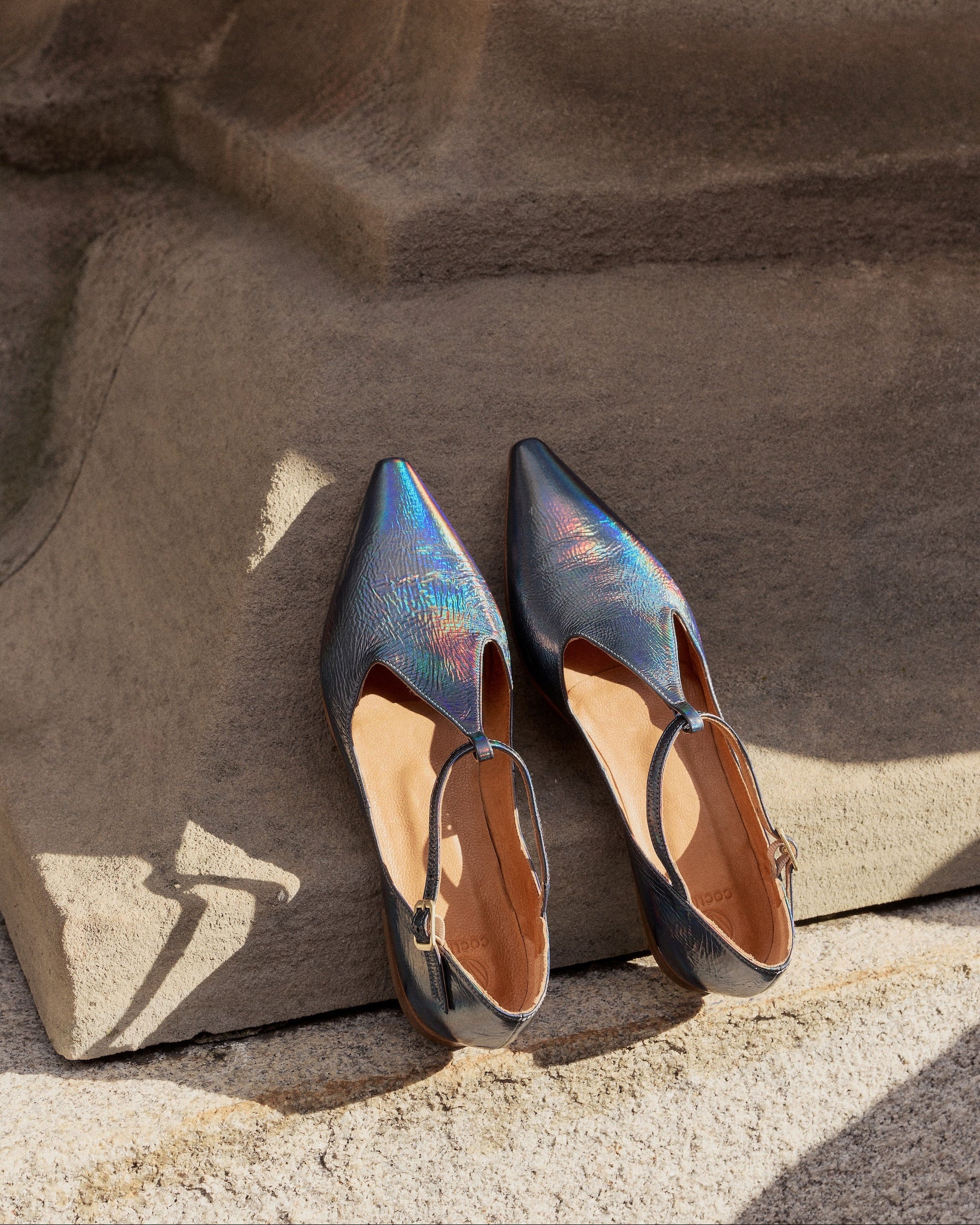
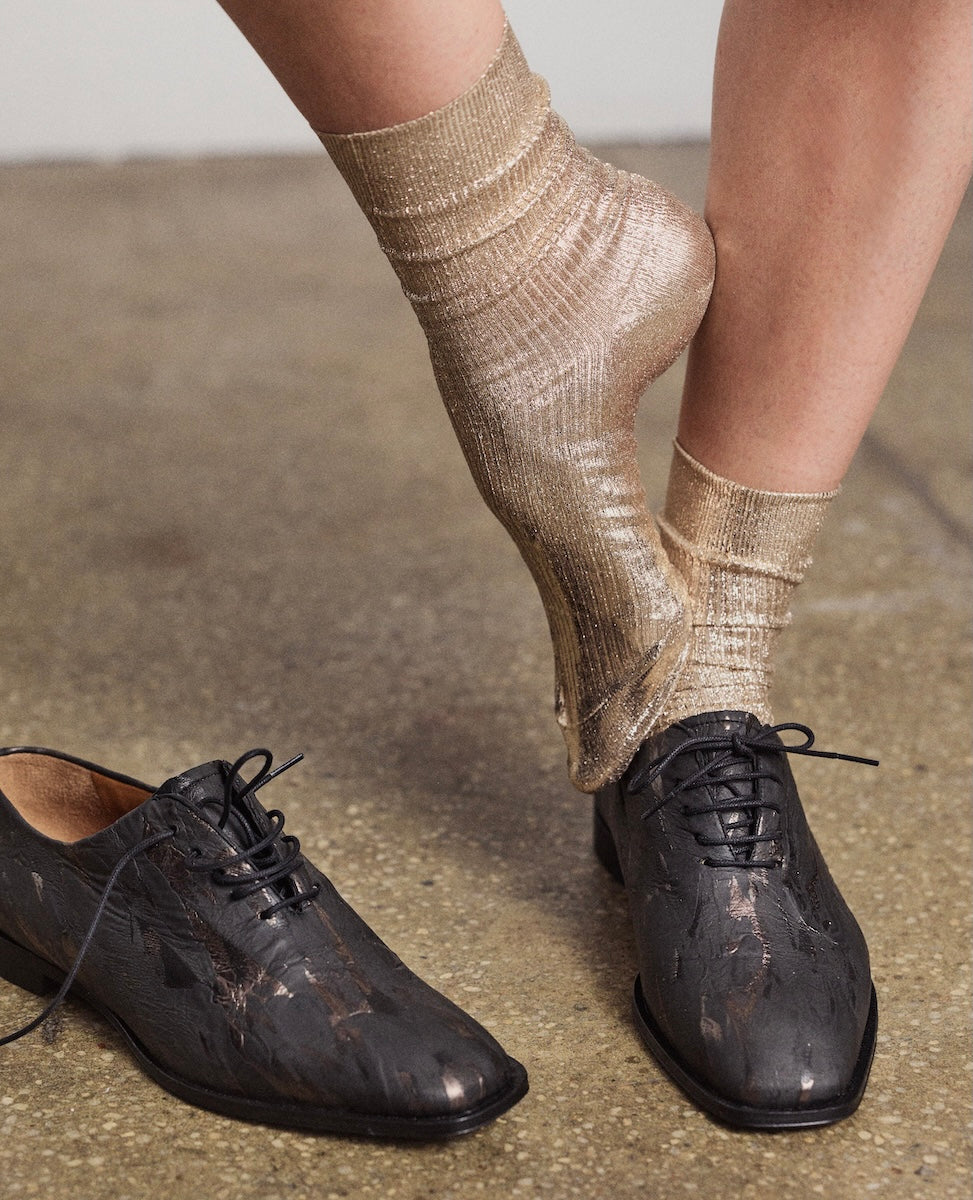
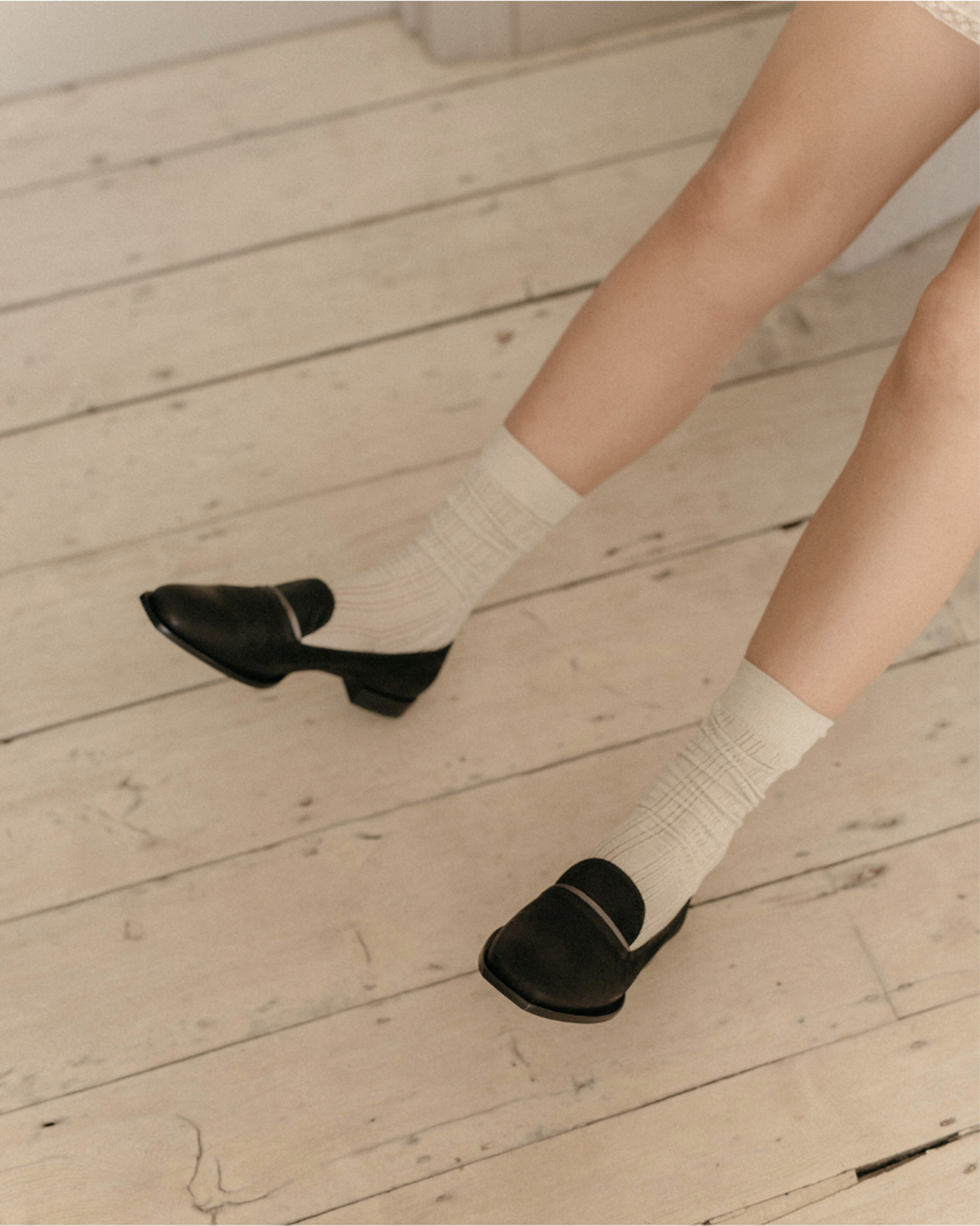
São Paulo, Brazil is a vast and energetic city, known for its architecture, cultural density, and evolving street life. For Coclico’s Spring Summer 2026 collection, we set out to capture the city through a local lens, exploring Ibirapuera Park, modernist landmarks, and the rhythm of Carnaval.


A São Paulo Editorial Rooted in Place
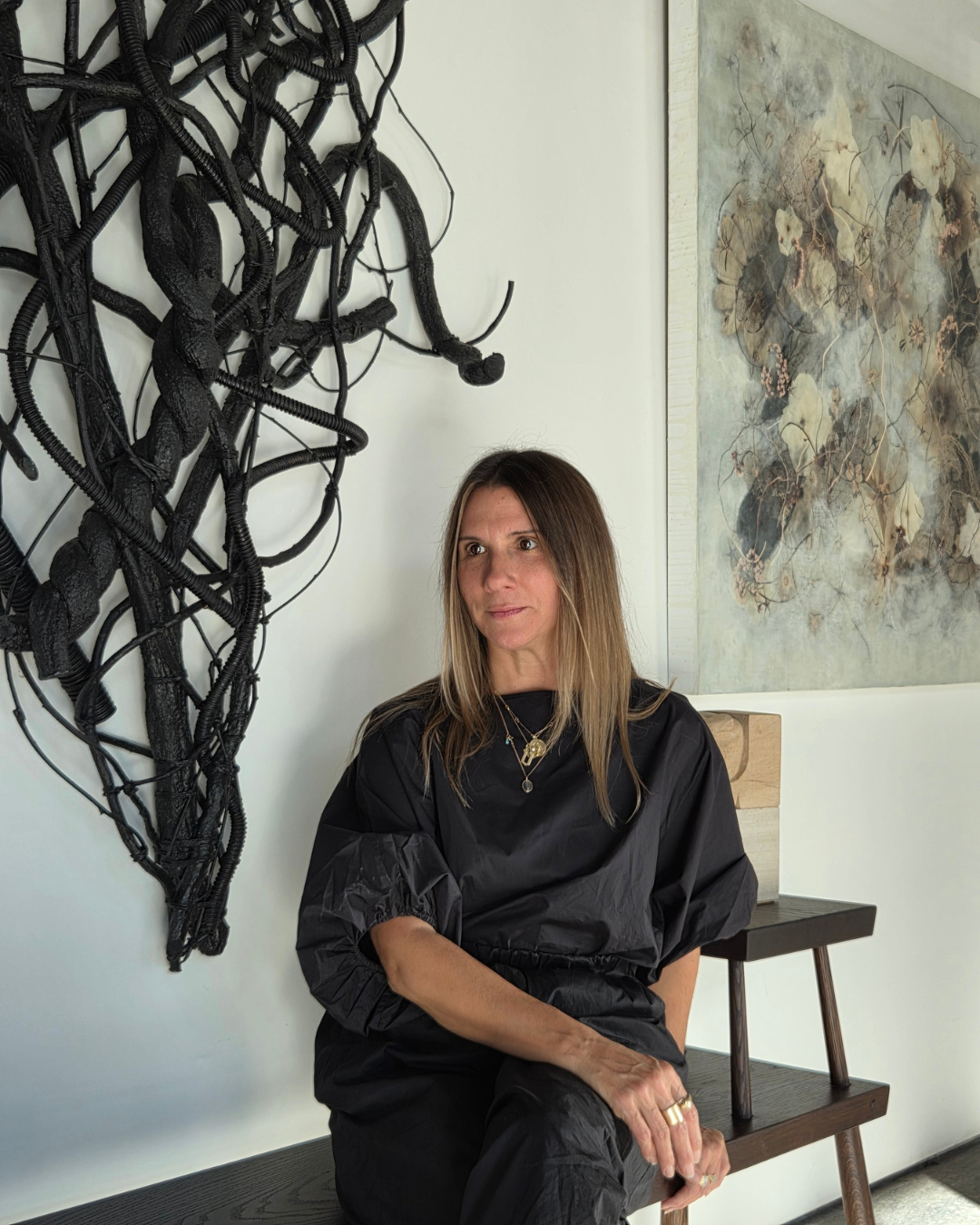
When Coclico asked me to shoot in São Paulo, I explored a few directions, including the city center. Early on, I also wanted to feature someone who felt deeply connected to the city and naturally aligned with the brand. Adriana Yoshida, a longtime friend, creative director, and content producer, came to mind.


Following Adriana over the years through social media has offered a glimpse into a São Paulo experience from within. Nothing reflects this shift more than the city’s Carnaval. Year after year, the dedication behind her costumes, and those of many others, has grown alongside the expansion of the blocos de rua, informal parades that move through neighborhoods, closer in spirit to New Orleans second lines than traditional Carnival processions.


Ibirapuera Park and Brazilian Modernism
At first, the city center felt like the obvious choice. But Parque Ibirapuera ultimately felt more aligned. Its architecture reflects Coclico’s DNA. Clean, structural, and timeless, echoed in the lines of the Spring Summer 2026 collection. Like Central Park in New York, it is one of the city’s most iconic spaces. Within it are some of the most significant buildings by Oscar Niemeyer, whose distinctly Brazilian modernist language provided the ideal backdrop for the Coclico Spring Summer 2026 collection.


Carnaval and the Changing Rhythm of São Paulo
When I left Brazil in the late 90s, São Paulo was often referred to as the “graveyard of samba.” Today, nearly 30 years later, it is widely considered home to the largest street Carnaval in the country.
This work sits somewhere between those two moments. Memory and present.


On Freedom, Time, and Living with Intention: Adriana Yoshida
Adriana Yoshida speaks about freedom as something internal. A shift in perspective rather than a circumstance. Letting go of expectations, especially those shaped by others, has become an ongoing process. There is still a path ahead, particularly in untangling from imposed standards of beauty, but there is also a sense of ease in who she has become. No procedures, no interventions. Just balance. A bit of discipline. A bit of chaos.


Her work reflects a similar clarity. Storytelling, for her, is not only about narrative but also about impact. Recently, she brought two embroiderers from the countryside of Rio Grande do Norte to Paris during the 2024 Olympic Games, creating space for their story to be seen and recognized. They were responsible for embroidering the Brazilian team’s uniforms. It was, in her words, a defining moment.
Movement plays a central role in how she navigates the pace of life. Yoga and running act as a kind of meditation, a way to organize thought through the body rather than against it.


When things feel unsettled, she returns to the same place. Not physically, but inward. The heart. A conscious effort to step away from the noise of the mind and reconnect with something more grounded. The mind, she notes, can be restless. The heart offers something steadier.
There is also an attentiveness to small, fleeting moments. Early mornings, before the city fully wakes. Watching the light shift. Noticing the day as it begins.


Over time, her understanding of work has evolved. Identity is no longer tied to it in the same way, though there is still deep satisfaction in what she does. Fashion remains a constant. Not simply as a profession, but as a language. Clothing holds intention. It shapes perception. It can reveal or conceal. Whether consciously or not, it always communicates.
Living well, for her, comes down to time. The ability to choose how it is spent. To create space for what brings pleasure and what feels meaningful. Without it, life can begin to feel constrained in quieter ways. Time, she believes, is the most valuable resource. Once gone, it does not return.


There are rituals that anchor her. Coffee, for one. A small, daily pause that shifts everything back into place.
At 50, she finds herself working more than she did two decades ago, yet carrying a different relationship to it all. There is lightness in how she moves through life now. A desire to keep creating, to keep expressing, to stay engaged with what feels true. The next decade, she says, should be interesting.
Photos and text by Fernanda Steinmann.