Fall/Winter 2026-27’s Defining Shoes & Boots
A wardrobe is a living archive. Shapes, materials, and ideas move through generations, changing meaning as the women who wear them make them their own. This season, some of the shoes that feel most current are also among the most familiar: school shoes and lace-ups, groovy clogs, easy slip-on mules, pared-back riding and Western-inspired boots, all-natural crepe soles. Their histories are part of the appeal. What changes is the proportion, the finish, and the way these familiar forms are styled and worn now.
Fall/Winter 2026-27 draws on that freedom to take from the wardrobe without much concern for where something supposedly belongs. A prim loafer with something fluid. A substantial sole beneath a long, soft line. A close-fitting glove shoe against tailoring. Snake and metallic leather worn as casually as brown or black. Nothing starts from zero. The so-called “wrong shoe theory” may have a new name, but the instinct behind it is hardly new. The collection moves between weight and softness, polish and ease, familiarity and reinvention, grounded in forms women have been wearing, adapting, and claiming for decades.
Below, how we think about building a fall/winter shoe wardrobe, seven ideas shaping the season, each rooted in something that came before and made current by the way it is worn now, and answers to the questions we hear most often at our Mott Street shop in New York City.
Made in Spain in limited quantities. Individuality comes standard.
How to Build a Fall/Winter Shoe Wardrobe
A fall/winter wardrobe gets interesting when nothing behaves quite as expected. Start with the pieces that have earned their permanence: tailoring, knits, a good trouser, a long skirt, tights, a belt, a great coat. Then worry less about whether the shoe belongs to the look and more about what happens when you put the two together.
Visual weight is useful. A thick sole, wooden clog, or substantial boot can ground something long and fluid. A school shoe can sharpen a soft knit or keep a skirt from becoming too precious. At the other end of the spectrum, a close-fitting glove shoe or low heel can make heavier tailoring and winter layers feel less formal. Socks and tights add another element entirely, changing the proportion and character of shoes you may have worn bare earlier in the season.
And have some fun with what is already in the wardrobe. A brogue does not have to mean tailoring, a clog does not need denim, and a neat, structured shoe can be more interesting next to something fluid, patterned, or a little revealing. The season’s references pull freely from pieces women have worn for generations, then rearrange them without much respect for the old rules.
Fall/Winter 2026-27, in Seven Trends
The Pared-Back Boot
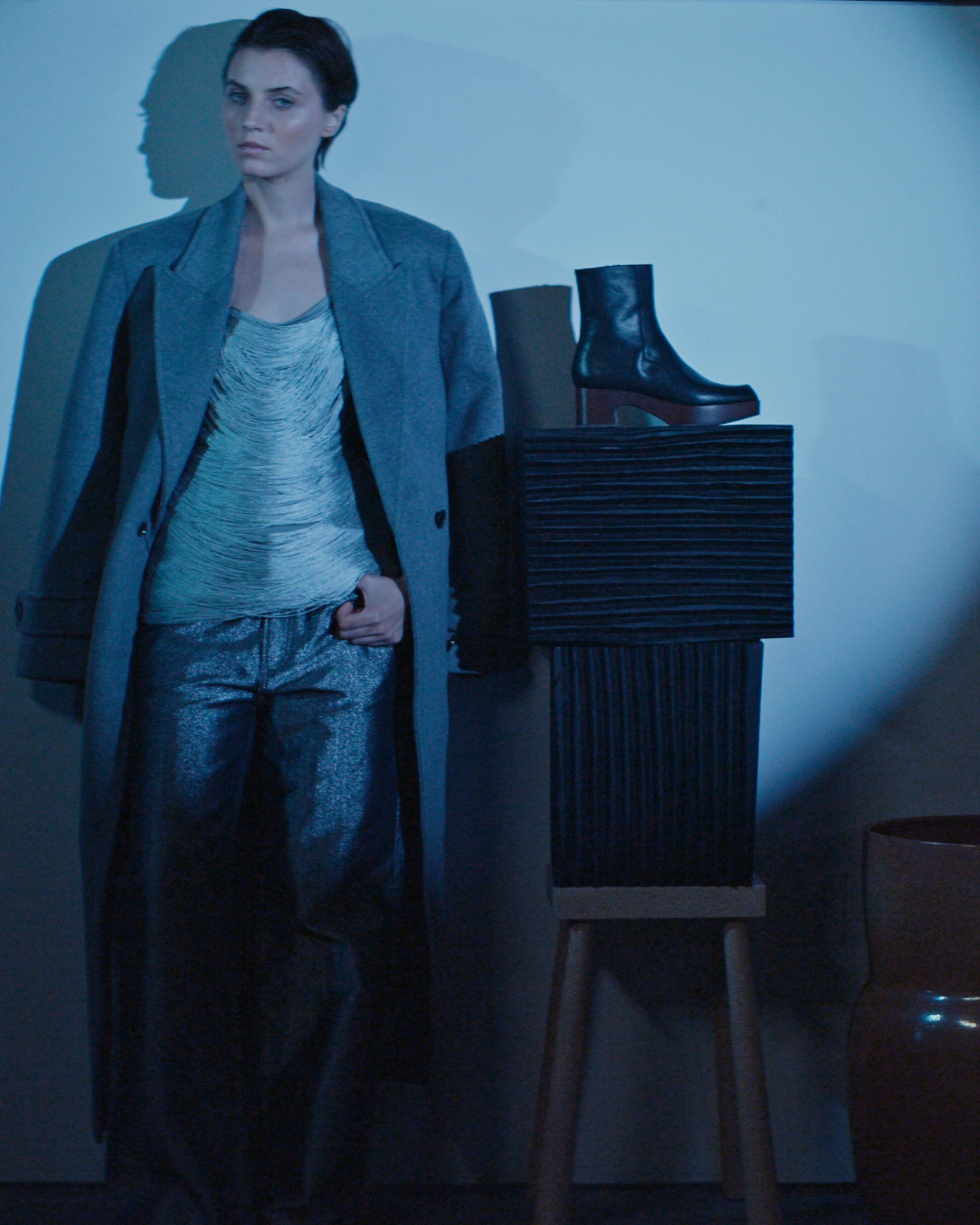
Western, riding, Beatle, and moto boots come with a lot of visual history. This season, the strongest versions keep the recognizable codes and lose the costume: clean shafts, grounded heels, purposeful proportions, and just enough of the original reference to register. Tama and Alto sit squarely in that territory, familiar without feeling nostalgic. Worn with something fluid, patterned, or sharply tailored, they do not need to complete a themed look. The history stays; the rules do not.


The Retro Clog
Cue the fanfare, clog season is back, though for Coclico it never really left. Clogs remain a house specialty and part of the Downtown and Brooklyn uniform Coclico helped define. For fall, solid beechwood sourced from certified renewable German forests is sculpted into a bold, architectural, 1970s-inflected shape, then hand stained in deep mahogany with a minimal wax finish. Moc toes and warm hues reinforce the silhouette’s retro character. The clog still does what it does best: gives an outfit a little knowing weight.


The Glove Shoe
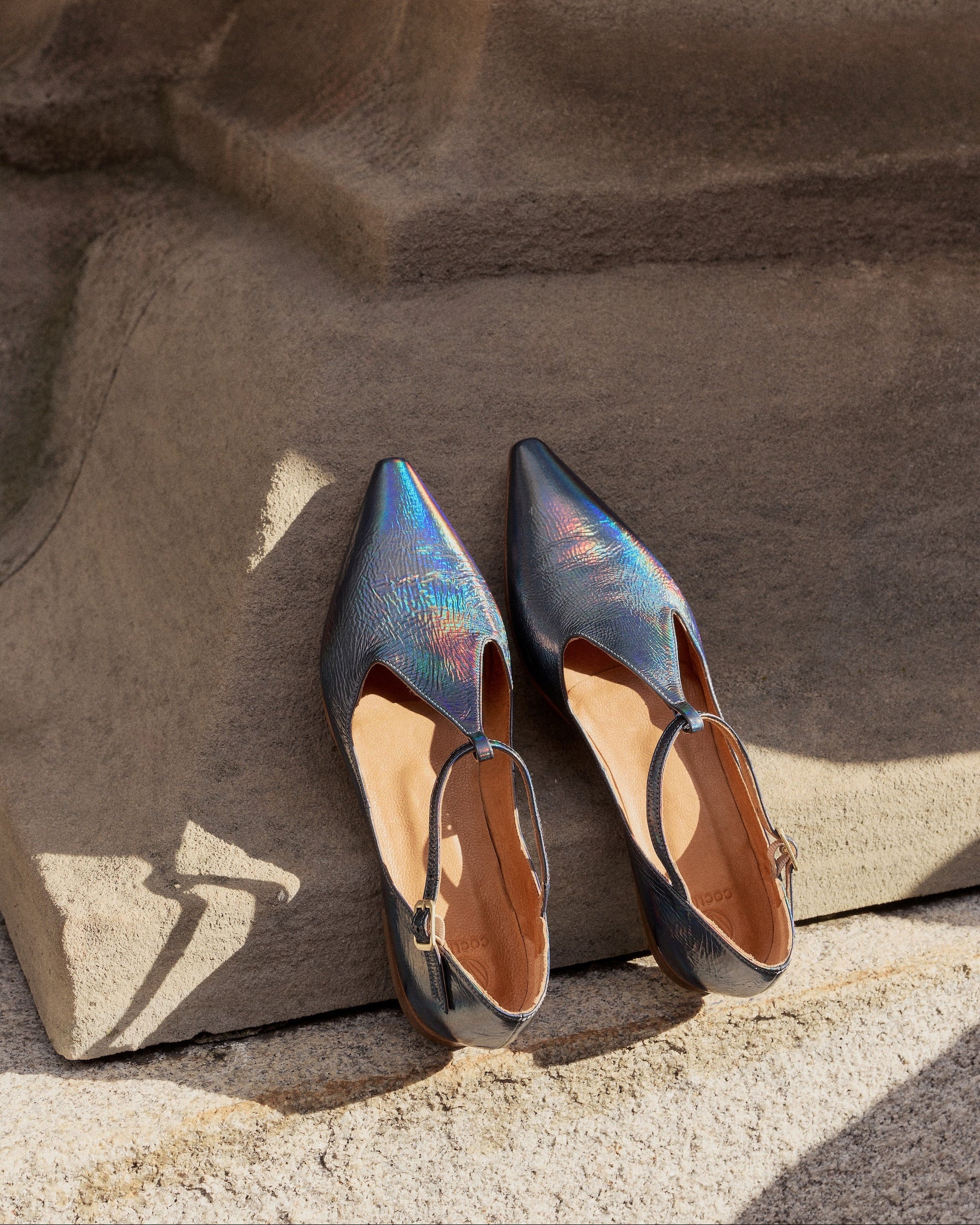
The glove shoe may be having a fashion moment, but around here it has long been a way of making shoes. The Rolls-Royce of the glove shoe is the sacchetto construction, an age-old shoemaking technique in which the upper is hand-sewn to a soft inner sock before lasting. We utilize a signature sacchetto construction across many of our flats and pumps. The result is glove-like from the first wear. This fall, high vamps and elongated lines give that softness a little more presence. From the Celeste T-Strap to the Cabnal Ballet, Franklin Flat, and Francis Loafer, each is soft in structure and precise in fit.


The Crepe Revival
For Fall/Winter 2026-27, we return to crepe across a new group of styles, pairing its easy underfoot feel with clean, modern uppers. Our genuine crepe soles have a comfort and character that evolve over time. Made from latex tapped from rubber trees using an age-old process that allows the trees to keep growing, crepe begins springy and grippy, then softens with wear, taking on the marks of the miles. It will darken, change, and carry the places you’ve been like a memory. Natural is beautiful; the weathering is earned and should be celebrated.


The Slip-On Mule
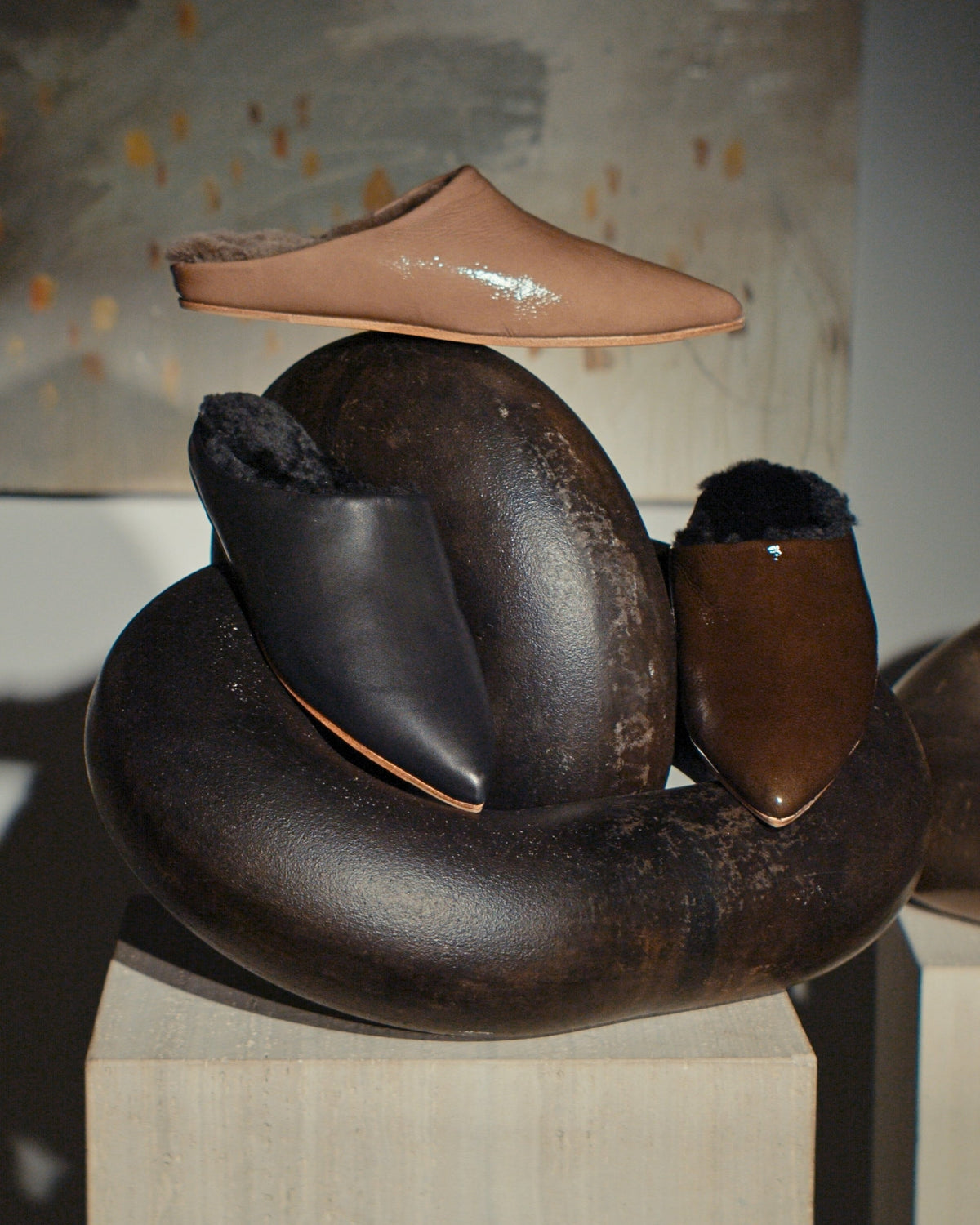
The appeal of the mule is easy to understand: the ease of a house shoe, with enough shape and polish for the rest of the wardrobe. Coclico takes the closed-toe, open-back silhouette across sleek leather and snake, with plush shearling-lined options that let it read refined, tactile, or almost slipper-like depending on the material. Danke keeps the line clean; Dia leans into the softness. The mule remains what it has always been at its best: the shoe you step into first, time and again.


The School Shoe
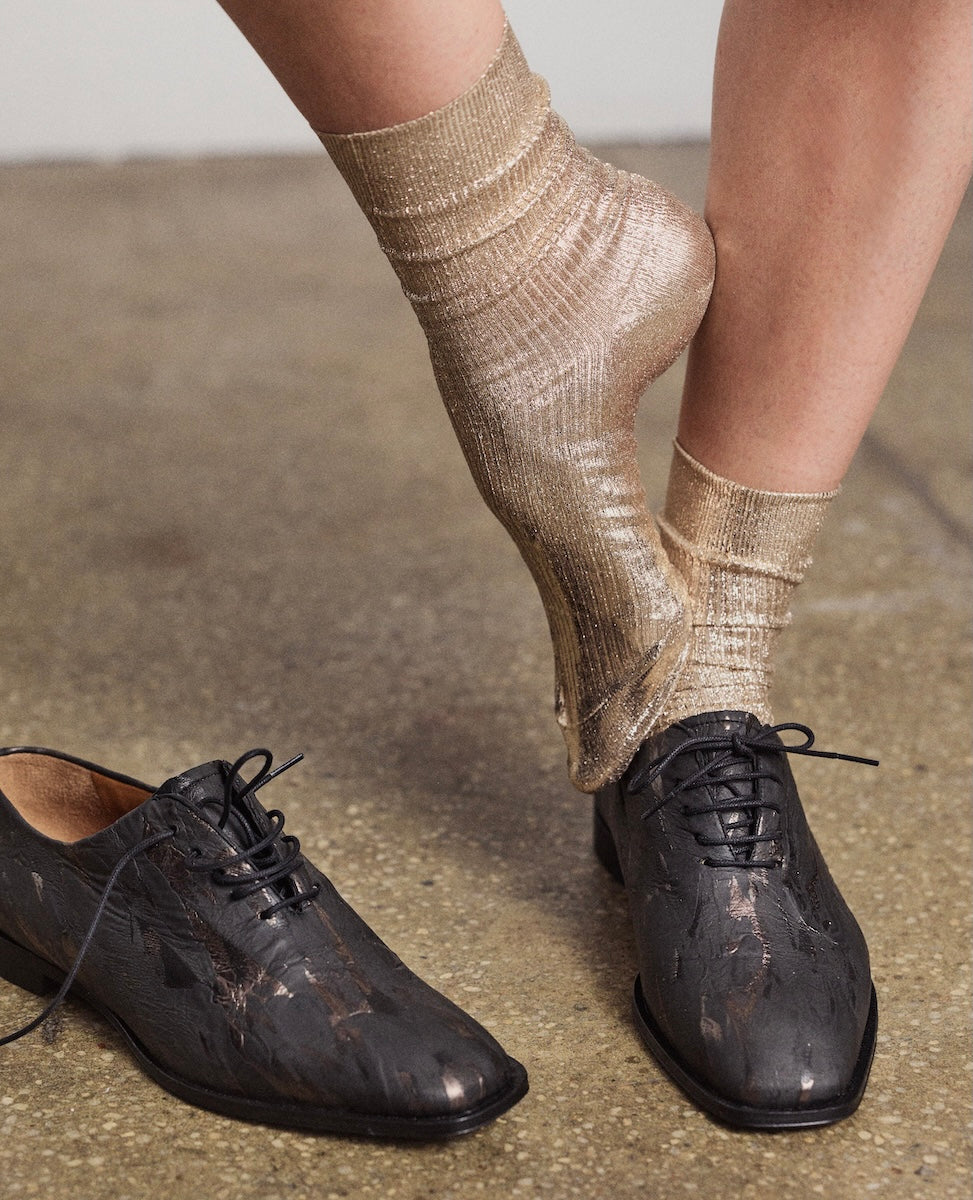
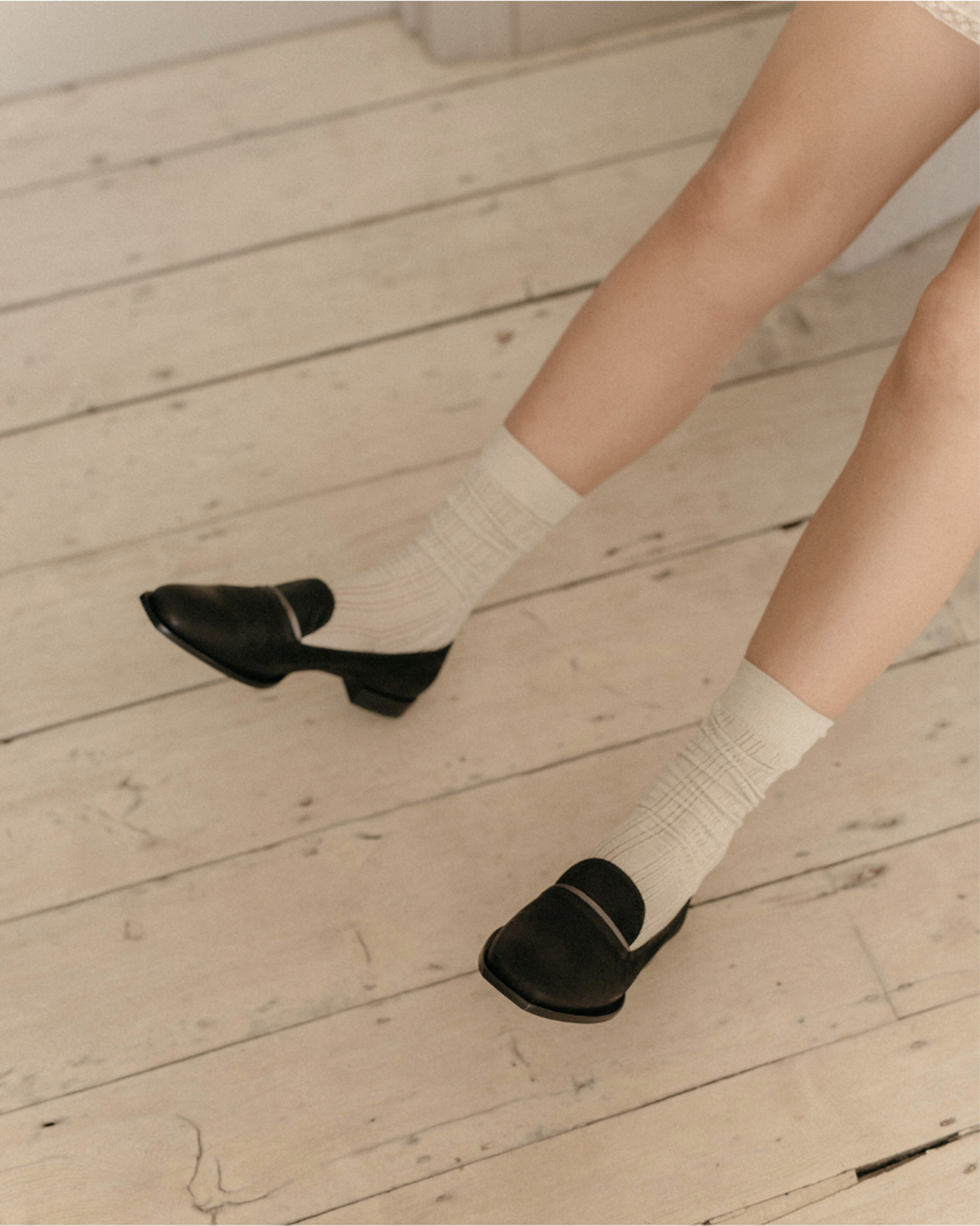
The new academia is in session. Across the Fall 2026 runways, loafers, Oxfords, Derbies, and lace-ups are turning up alongside pleated skirts, cricket knits, and other familiar schoolroom codes, but with a less obedient attitude. The appeal is in the contrast: something polished and proper worn with something softer, looser, or a little unruly. Coclico’s school shoes range from neat loafers to high-vamped lace-ups, grounded in forms women have worn for generations. The uniform may be familiar; how you wear it is entirely your own.


The Uncommon Neutral
Show me you’re a neutral without being boring. This fall, reptilian finishes join bronze and Acero metallics as an expanded neutral palette. Espresso Italian snake-embossed leather is warm and tonal enough to wear like a classic brown; bronze and pewter catch the light without asking to be saved for evening. Across mules, flats, clogs, pumps, and boots, these finishes bring texture and depth without making the rest of the outfit work any harder. Many are available exclusively at coclico.com and our Mott Street shop. A neutral is a job description, not a color.


Common Fall/Winter Shoe Questions
What shoes are in style for Fall/Winter 2026-27?
Fall/Winter 2026-27 is drawing heavily on familiar footwear with strong histories: loafers and lace-ups, retro clogs, slip-on mules, glove shoes, and pared-back Western, riding, and moto boots. Natural crepe soles are back in the spotlight, while reptilian finishes and metallic leathers expand the season’s neutral palette.
What is a crepe sole?
A genuine crepe sole is made from natural latex tapped from rubber trees. The material has excellent grip and shock absorption and begins springy before gradually softening with wear. Natural crepe also darkens and develops marks over time as dirt, friction, and exposure become part of the surface. A well-worn sole will not retain the pale color it had when new. This weathering is characteristic of genuine crepe rather than a defect. At Coclico, we consider it part of the beauty of the material: the weathering is earned and should be celebrated.
What is snake-embossed leather?
Snake-embossed leather is leather that has been pressed with a reptilian scale pattern to create the texture and movement of snakeskin. Coclico’s Espresso Italian Snake Embossed Leather is not snakeskin. The embossed surface catches the light differently across the scales, allowing it to read as both texture and pattern while retaining the qualities of the leather underneath.
Are clogs still in style in 2026?
Yes. Clogs continue to have a strong place in contemporary footwear, with Fall/Winter 2026-27 taking the silhouette in a distinctly retro direction. Moc toes, higher vamps, warm leathers, and bold architectural wood bottoms recall 1970s styling without reproducing it literally. Clogs have been a Coclico specialty for decades, sculpted from solid wood and finished by hand.
What is a glove shoe?
A glove shoe is designed to fit much like a glove: close to the foot, soft, and flexible, with an upper that moves easily as you walk. The term describes the fit and feel more than a particular silhouette, so glove shoes can include flats, loafers, T-straps, Oxfords, and pumps. Coclico achieves this glove-like fit in several ways, including our signature sacchetto construction across many styles.
What is sacchetto construction?
Sacchetto is an age-old shoemaking technique in which the upper is hand-sewn to a soft inner sock before lasting. With less rigid structure between the foot and upper, the finished shoe is exceptionally supple and glove-like from the first wear. Coclico uses a signature sacchetto construction across many of our flats, loafers, and pumps; individual product pages specify when a style is made this way.
Are loafers and Oxford shoes in style for Fall 2026?
Yes. Loafers, Oxfords, Derbies, and other lace-up shoes are central to Fall 2026’s renewed interest in academia and school-shoe dressing. Familiar academic forms, including loafers, lace-ups, and T-straps, are moving into the adult wardrobe with a less orderly attitude. A neat loafer might be worn with something fluid, an Oxford with a long skirt, or a structured lace-up against softer knitwear, pattern, tailoring, tights, or something a little revealing. The uniform is the reference, not the rule.
What shoes go with tights?
Tights change the proportion of the leg, so shoes with a clear shape tend to work especially well. High-vamp flats, loafers, lace-ups, T-straps, clogs, and boots all give the eye something to land on. Matching the tone of the tight to the shoe creates a longer continuous line; contrasting them breaks the line deliberately and makes the shoe more prominent.
What shoes go with wide-leg trousers?
With wide-leg trousers, pay attention to the part of the shoe that remains visible beneath the hem. A clog, loafer, substantial flat, or boot gives the trouser enough visual weight at the floor, while a heel or platform can add clearance for a longer hem. A flat works equally well when the trouser has been hemmed for it.
Which boot trends are defining Fall/Winter 2026-27?
Fall/Winter 2026-27 boots draw from recognizable heritage shapes while stripping away some of the costume. Western, riding, moto, and sleek Chelsea-influenced boots appear with cleaner shafts, purposeful proportions, restrained hardware, and grounded heels. Rich cognac and chestnut browns and reptilian finishes are also strong across the season.
Can snake and metallic shoes be worn as neutrals?
Absolutely. A neutral is a job description, not a color. Warm snake can function much like brown, while bronze, pewter, and Acero metallics can do the work of tan, grey, or silver. They bring texture and light to an outfit without requiring special-occasion styling, which is why Coclico uses these finishes across everyday flats, mules, clogs, pumps, and boots.
How do you care for suede shoes?
Brush suede with a dedicated suede brush to remove surface dirt and restore the nap. Treat a new pair with a suede-appropriate protectant before wear and reapply as needed through the season. If suede gets wet, let it dry naturally at room temperature away from direct heat, then brush the surface once fully dry. Store suede away from direct sunlight.
How do you care for leather boots, wood clogs, and crepe soles?
Keep leather clean and conditioned, and use a protectant appropriate to the specific finish. Wood clog and boot bottoms can be treated with a beeswax conditioner much like wood furniture. Natural crepe should be allowed to weather naturally; darkening and surface marks are part of the material. Replace worn rubber soles or heel taps before the structural material underneath is exposed.
Our full care guide and resoling partnership with Coblrshop are linked at the bottom of every Coclico product page.
Where are Coclico shoes made?
Coclico shoes are made in Spain in limited production runs using traditional shoemaking techniques and carefully selected materials. Depending on the style, the collection includes sacchetto construction, hand-finished solid wood bottoms, natural crepe soles, leather soles, and sculpted wood heels.
Where can I try on Coclico shoes in New York City?
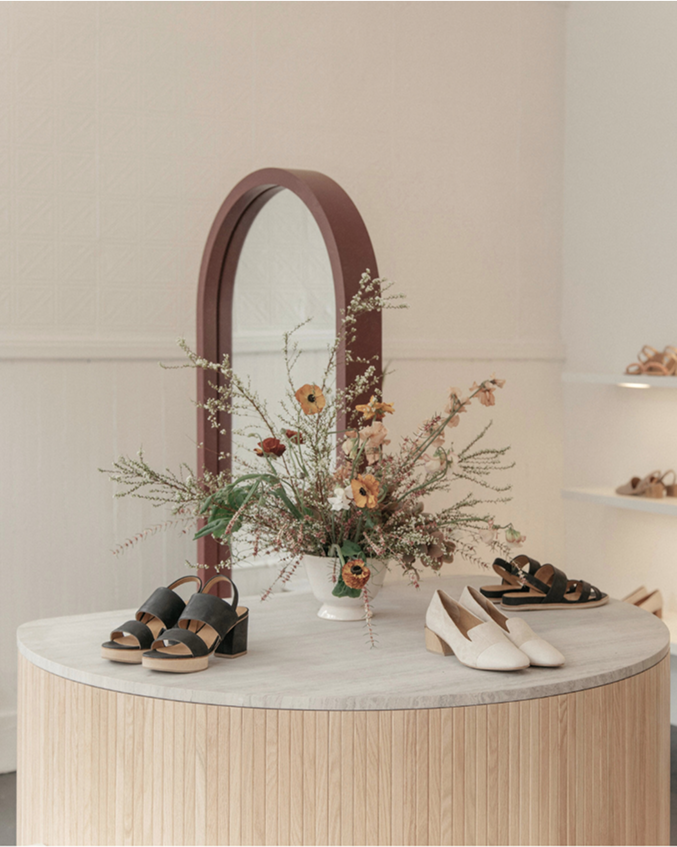
Coclico’s only retail store is at 275 Mott Street in Nolita, New York City. The shop carries the seasonal collection along with select colors and styles available exclusively at coclico.com and our Mott Street store.
Less uniform. More signature.